Comparing Non-Toxic Duvet Covers: Material, Comfort, and Health
A practical guide to choosing non-toxic duvet covers from trusted brands Sleep and Beyond and Naturepedic. Learn how fabric, weave, and certifications impact comfort, durability, and indoor air quality in bedrooms.
Why non-toxic matters in your sleep space
Your bed is where you recharge, recover, and reset daily. The air you breathe at night, the fabrics that touch your skin, and the chemicals that may off-gas from textiles all influence sleep quality and long-term health. Non-toxic duvet covers are more than a trend; they’re part of a broader commitment to a cleaner, calmer bedroom environment. When you choose duvet covers that are GOTS-certified, free from harmful dyes, and sourced from organic fibers, you reduce exposure to volatile organic compounds (VOCs), pesticides, and chemical residues. This matters especially for sleepers with sensitivities, allergies, or compromised indoor air quality.
In this guide, we compare two brands that consistently foreground purity and sustainability: Naturepedic and Sleep and Beyond. Both brands offer duvet covers made from organic cotton and equipped with thoughtful design details. By examining material choices, weave, certifications, care, and real-world comfort, you’ll be equipped to choose a duvet cover that supports your health without sacrificing softness, durability, or style.
Material matters: organic cotton, percale, and sateen
Material composition and weave dictate breathability, feel, temperature regulation, and care needs. Here’s a quick primer on what to expect from two popular options featured by Naturepedic and Sleep and Beyond:
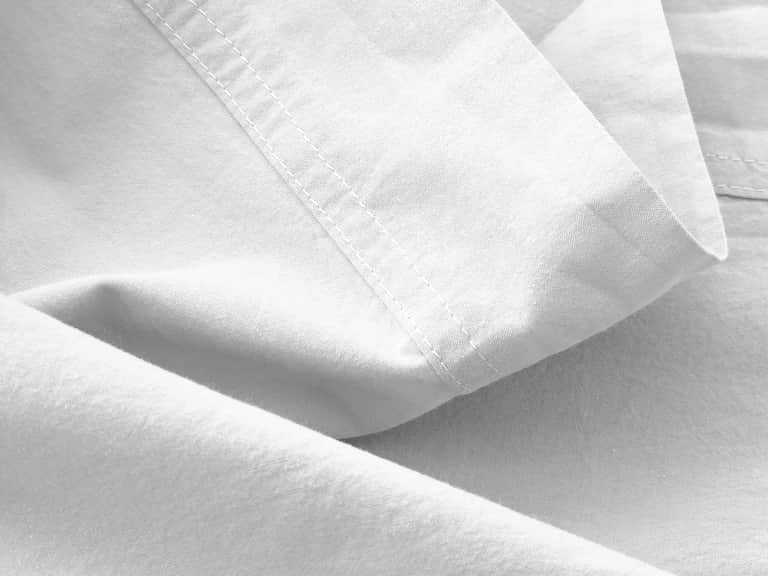
- Organic cotton percale: A crisp, cool-to-the-touch weave with a matte finish. Percale is lightweight, highly breathable, and tends to soften with washing. It’s a frequent choice for hot sleepers or climates where airflow matters. The Sleep and Beyond Organic Cotton Percale Duvet Cover Set is a prime example, offering a 300-thread-count percale weave that remains breathable while delivering hotel-like simplicity and longevity.
- Organic cotton sateen: A smoother, slightly more lustrous fabric, typically with a softer hand and warmer drape. Sateen can feel cozier in cooler environments and resists wrinkling more than percale. Naturepedic’s duvet covers frequently appear in sateen variants that balance luxury with organic integrity.
- GOTS-certified organic cotton: The certification ensures the cotton is grown without toxic pesticides, processed without harmful chemicals, and manufactured under fair trade and environmental safeguards. GOTS is the gold standard for consumer confidence in natural textiles.
Weave, thread count, and finishing touches that influence comfort
Beyond the broad category of “cotton,” the weave and thread count can markedly affect how a duvet cover feels and performs over time. A few guiding principles:
- Thread count isn’t the sole indicator of quality. While higher counts can indicate a denser weave, comfort depends more on the fabric’s overall hand, finishing, and the quality of fibers. A well-made 300–400 thread count organic cotton percale or sateen can outperform a mediocre 600-thread count option.
- Weave behavior percale stays crisper and cooler, while sateen drapes more softly and can feel warmer. The choice depends on your climate, bedding layering, and personal preference for touch and temperature.
- Finish and construction details such as corner ties, interior flaps, and concealed buttons minimize shifting of the duvet insert and extend duvet life. They also contribute to a neat, hotel-inspired bed aesthetic that many people associate with a clean, calm bedroom.
Certifications you can trust: how to read the labels
When shopping for non-toxic duvet covers, certifications help you separate marketing from measurable safety. The two brands highlighted here often rely on GOTS certification for organic cotton textiles, which confirms strict environmental and social criteria across the supply chain. In addition, look for:
- GOTS certification: organic fibers, restricted chemicals, and socially responsible production.
- OEKO-TEX or equivalent safety certifications: independent checks for chemical safety in finished textiles.
- Fair Trade or other ethical certifications: ensures fair labor practices across supply chains.
Naturepedic’s duvet covers often emphasize organic cotton in GOTS-certified facilities, while Sleep and Beyond highlights organic cotton percale and sateen options with a focus on long-lasting performance and easy care. Both brands offer products that align with a health-conscious bedroom without compromising comfort or style.
Practical care: keeping non-toxic duvet covers clean and durable
Care requirements influence how often you can wash your duvet cover and how long it will retain softness and color. Gentle machine washing in cold or warm water with mild detergents is typically recommended for organic cotton duvet covers. Tumble dry on low heat or line dry to preserve fiber integrity. Avoid chlorine bleach and fabric softeners, which can degrade fibers over time and diminish the fabric’s breathability. The Sleep and Beyond and Naturepedic options are designed with real-world washing in mind, supporting a clean, healthy sleep space with minimal maintenance.
Three key figures who shaped our sleep and textile choices
Hypatia of Alexandria (c. 370–415 CE)
A symbolic figure for seeking truth and clarity, Hypatia’s quest for knowledge mirrors the modern pursuit of evidence-based sleep science. Her legacy invites readers to demand rigorous sourcing and credible research when exploring sleep health claims—much like how we evaluate mattress padding, breathable fabrics, and fabrics’ safety credentials today.
Florence Nightingale (1820–1910)
A pioneer of modern hygiene, Nightingale’s emphasis on cleanliness and environmental factors shaped how we think about healthy sleep spaces. Her influence resonates in the non-toxic, low-odor, breathable textiles that keep bedrooms free from irritants and VOCs, aligning with duvet covers built for genuine sleep health.
Martha Stewart (b. 1941)
A contemporary icon of home making, Stewart popularized the idea that a calm, well-organized space supports well-being. Her ethos echoes in the clean lines, thoughtful drafting, and practical routines that inform duvet cover selection—where simplicity, quality materials, and easy care meet everyday luxury.
Product spotlight: a closer look at a trusted non-toxic option
Sleep and Beyond Organic Cotton Percale Duvet Cover Set
A standout for lovers of crisp, breathable bedding. This duvet cover set is crafted from long-staple, certified organic cotton with a 300-thread-count percale weave that delivers a cool, airy feel. It is pre-shrunk to maintain a consistent fit and features practical corner ties and coconut-shell buttons for a tidy, hotel-grade presentation.
- Fabric: Organic cotton percale, 300 TC
- Certifications: GOTS
- Care: Machine wash warm; tumble dry low
Tale Bed Sheet by Society Limonta
A complementary textile that pairs with duvet covers to extend a calm, cohesive bedroom aesthetic. Tale is a percale cotton sheet with garment-dyed finishes, offering a soft hand and a cozy, color-rich look that supports a mixed-and-matched bedding approach.
- Weave: Percale cotton
- Finish: Garment-dyed
- Colors: Mixed palette; designed for versatile coordination
Guided shopping checklist: choosing your non-toxic duvet cover
- Check the certifications: prioritizing GOTS ensures organic fiber production and non-toxic processing.
- Choose the weave based on your climate and preferences: percale for cool, satiate for warmth and softness.
- Inspect practical features: corner ties, interior flaps, and hidden buttons for secure duvet retention.
- Read care instructions: ensure you have a washing routine that preserves fibers and color over time.
- Evaluate the brand’s health focus: transparent sourcing, ethical practices, and longevity of products.
In summary: non-toxic duvet covers that support health and comfort
Choosing a non-toxic duvet cover is a practical step toward a healthier sleep environment. Organic cotton, responsibly sourced fibers, and thoughtful construction translate into better indoor air quality, reduced allergen exposure, and a more calming bedroom atmosphere. Naturepedic and Sleep and Beyond exemplify brands that blend clean composition with durable, comfortable design. By prioritizing fabric quality, certifications, and care requirements, you can enjoy a duvet cover that not only feels luxurious but also aligns with a transparent, health-forward lifestyle.
This article references duvet cover options from Naturepedic and Sleep and Beyond, including products such as Sleep and Beyond Organic Cotton Percale Duvet Cover Set and Tale Bed Sheet, to illustrate how material choices affect comfort and health in real bedrooms. For readers seeking specific product pages, the Sleep and Beyond and Naturepedic assortments provide tested options that meet rigorous safety standards while offering timeless aesthetics for a clean, restful bedroom.
Suggested shopping links:
- Sleep and Beyond Organic Cotton Percale Duvet Cover Set (SB-OCSS)
- Tale Bed Sheet by Society Limonta
- Naturepedic Organic Cotton Sateen Duvet Cover